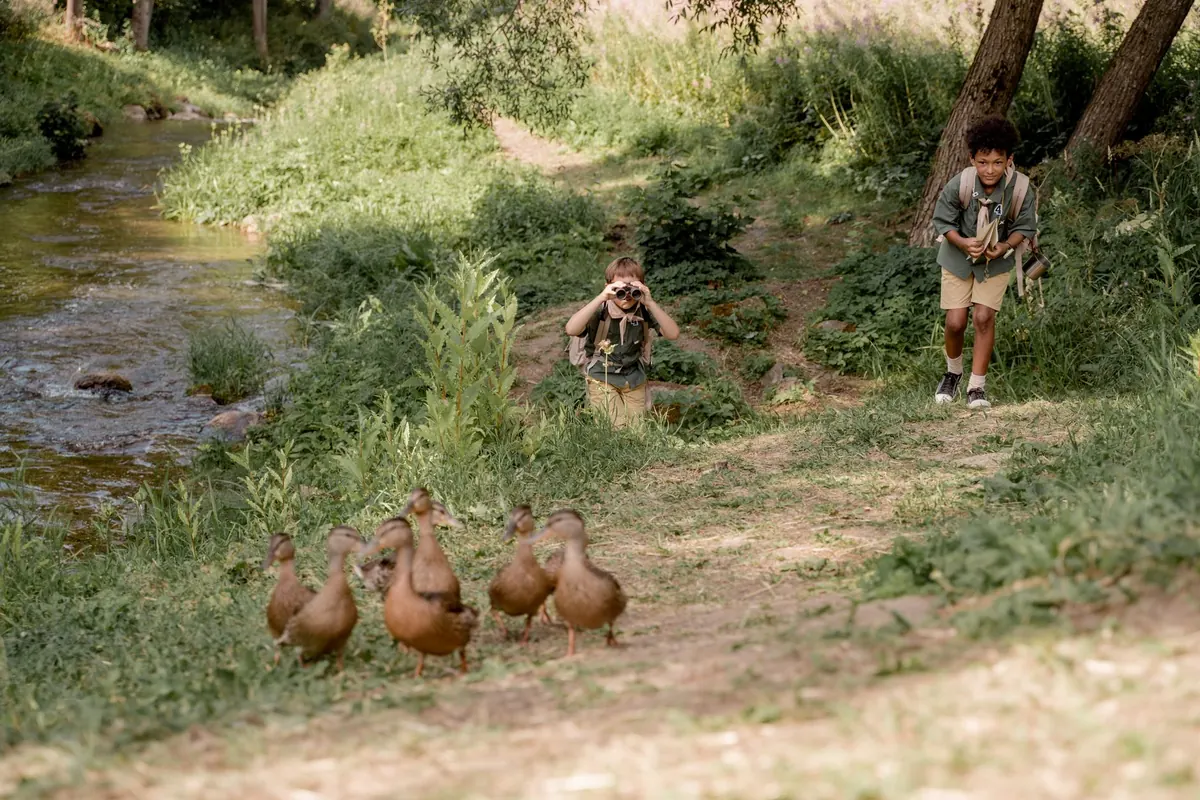
A wetland at sunrise sounds like an argument. Coots squabble, a bittern booms somewhere deep in the reeds, and a flock of ducks lifts off the far bank for no reason you can see. Learning to watch birds in places like this is one of the best ways to spend time outdoors, and one of the easiest to get wrong. Walk too fast, arrive at noon in July, and you may come home with nothing but a sunburn. Get a few basics right, and the same patch of marsh rewards you every time.
Learn to Read a Wetland
Wetlands are not uniform. A single reserve can hold open water, mudflat, reedbed, wet meadow and scrubby edge, and each attracts different birds. Herons and egrets work the water's edge. Dabbling ducks tip up in the shallows. Diving ducks and grebes use the deeper middle. Shorebirds pick along exposed mud. Warblers and, later in the year, reed buntings and stonechats use the vegetation at the margins.
The first skill is not identification. It is scanning. Stand still and work your eyes from left to right instead of darting around; your binoculars should follow your eyes, not lead them. Look for shapes that break a line: a log that turns out to be a swimming otter, a stick that stands up and becomes a heron's neck.
Watch the edges
Most of the action happens where two habitats meet — water and mud, mud and reed, reed and grass. A patient look along the waterline usually beats staring at the middle of the lake.
What to Bring on Your First Outing
You do not need much, but you do need the right few things.
Binoculars
8x42 is the usual starting point: enough magnification to identify a duck at distance, wide enough a view to find it in the first place. 10x works if your hands are steady. Higher magnifications are hard to hold without support. Roof-prism models are compact and better sealed against rain; porro-prism models cost less for similar optics. Set the eyecups, focus on something distant with one eye closed, then check the other, then use both.
Boots and layers
Wetland ground is wet; that is rather the point of it. Waterproof boots with grip, or wellingtons if standing water is likely. Wear muted colours and quiet fabrics — a jacket that rustles like a crisp packet will empty a reedbed. Layers beat one heavy coat, because you will stand still for long stretches and then walk.
- A notebook or notes app for your list; memory is worse than you think.
- A regional field guide, or an offline app for places with no signal.
- Water and a snack — hides are often a long way from the car park.
- Insect repellent in summer, sun cream and a hat in the open.
- A spotting scope only if you plan to scan big open water; borrow one first.
- A lens cloth. Spray and dust are constant.
Etiquette: Watching Without Disturbing
Birding in wetlands depends on the birds' tolerance. Every flush — a bird taking off because you came too close — costs energy a migrant may need, and in cold weather or late in migration that cost is real.
If your presence changes what a bird is doing, you are too close.
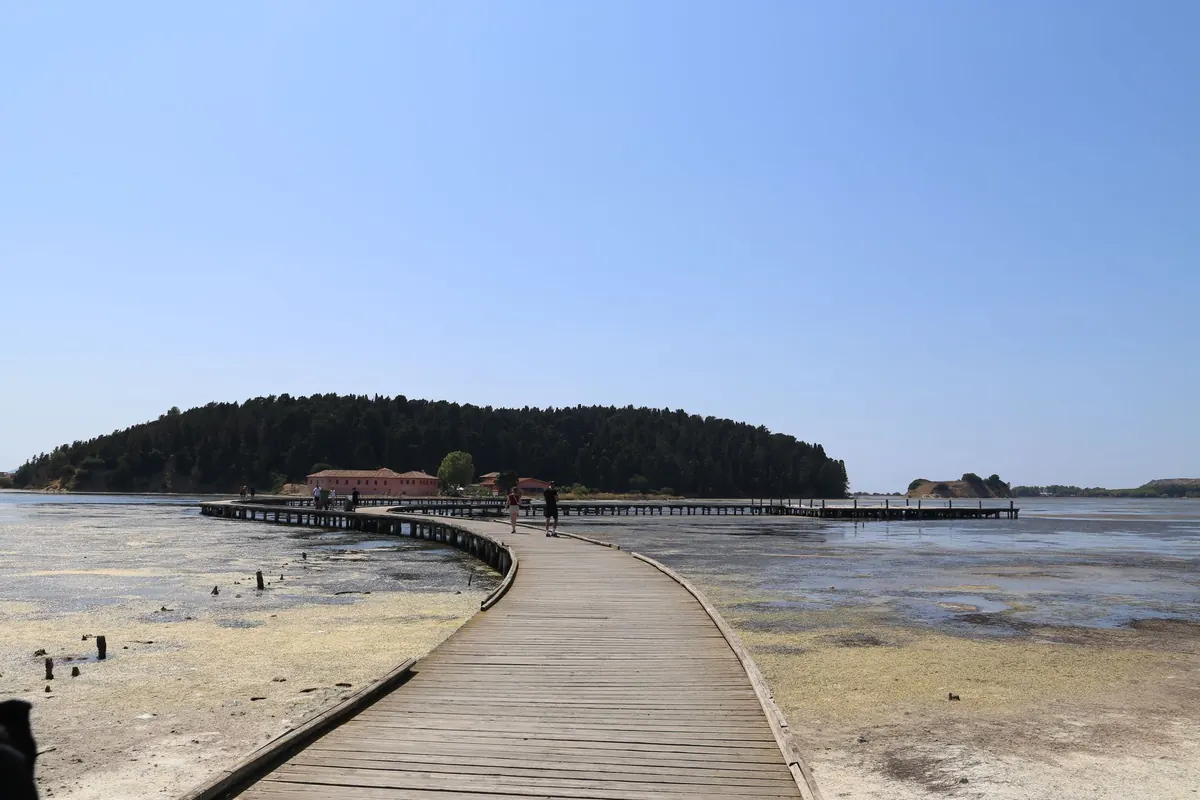
- Stay on trails, boardwalks and marked paths. Reedbed nests are almost invisible underfoot.
- Approach hides quietly, keep voices low, and do not block the viewing slots.
- Skip playback recordings, especially in spring and summer, when they pull birds off nests and territories.
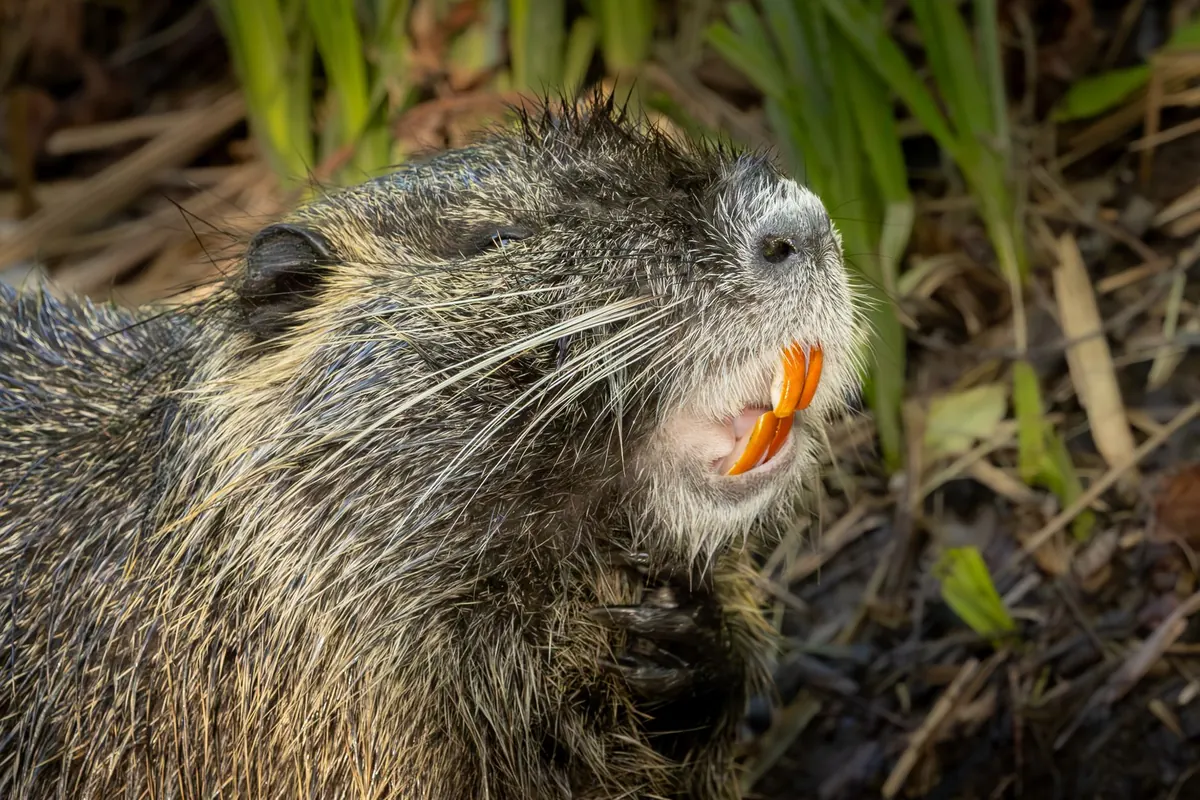
- Do not feed the birds. Bread and scraps harm waterfowl and attract rats, which raid nests.
- Leave dogs at home, or keep them leashed where allowed and well back from the water.
- Never pick up a bird, even a grounded one. Call a licensed wildlife rehabilitator instead.
- Read the site's own rules; many reserves close parts of the marsh at certain times of year.
Timing: The Right Hours and Seasons
Dawn and dusk
The first two hours after sunrise are the best of the day: birds feed hard, light is soft and low, and the air is still. Midday in summer is hot, hazy and quiet. Late afternoon picks up again, and that is when you have the best chance with rails, bitterns and owls.
Tides, on the coast
On estuaries and coastal marshes the tide matters more than the clock. A falling tide exposes mud, and shorebirds follow it out to feed. A rising tide pushes them towards the bank, which is when you get your closest views. Check a tide table before you leave.
Through the year
Spring brings passage migrants and displaying birds, though new leaves make warblers harder to see. Summer is for breeding species and young herons learning to fish. Autumn is often the best birding of all: wildfowl return, waders pass through, and the reeds are full of movement. Winter is quieter in volume and better in clarity — no foliage, and ducks and geese at their most numerous. On any day, a still, overcast morning often beats a bright, breezy one.
Identifying What You See
You will forget most of what you see unless you write it down, so do it in the field: size next to a familiar bird, bill shape, leg colour, how it feeds, where it stands. Dabble or dive? Walk or probe? Open water or mud? Behaviour narrows the options faster than plumage, which shifts with light, distance and season. Expect to be wrong for a while. A "possible" you check later teaches more than a hasty identification you never revisit.
Your First Trip, Step by Step
- Choose a small reserve with a hide and a boardwalk, within an hour of
Photo: cottonbro studio / Pexels