Wetlands do not forgive careless packing. Step off a boardwalk in a freshwater marsh and you may sink to your knee. Cross a coastal mudflat two hours after high tide and you will find nothing but mud and a longer walk back than you planned. The good news is that a responsible wetland visit is mostly logistics. Get the gear right, read the water, and keep your footprint light, and you will see more rather than less: herons stalking the shallows, otters trailing bubbles, the small machinery of a food web that runs on water.
What follows is a working checklist, not a shopping list. Use what you own, borrow the rest, and adapt it to where you are going. A cypress swamp and a fen demand different boots.
Plan Around the Water, Not Your Calendar
At tidal sites, the tide table matters more than the weather forecast. Tides decide which paths stay passable, when birds feed on exposed flats, and whether the channel you stepped across this morning will still let you back across in the afternoon. Note when low water falls and set your turnaround before it.
Inland, the variables are rainfall and season. A marsh that was a dry walk in late summer can be waist-deep after a wet spring, and floodplain wetlands change shape overnight. Many sites close sections during nesting season, and plenty restrict dogs, drones, boats or collecting. A quick call or email to the land manager will tell you more than any general guide. If hunting season overlaps your visit, ask what visibility clothing is recommended and wear it.
Go early or go late. Wildlife is most active at dawn and dusk, the light is better, and you skip the worst of the midday heat. Tell someone your route and expected return time, especially at sites where phone signal is patchy.
What to Pack: Feet, Skin, Eyes, and the Rest
Three categories matter most: what is on your feet, what is on your skin, and what is in your hands. Get those right and everything else is comfort.
Feet
- Knee-high rubber boots with real tread, or waterproof boots you accept ruining. Ankle-height shoes will not keep muck out.
- A spare pair of socks, plus a plastic bag or boot tray so you are not driving home in a swamp.
- A trekking pole or a stout stick for testing soft ground before you commit your weight to it.
Skin
- Long sleeves and long trousers in insect season, in light colours. Tuck trousers into socks where ticks are a concern.
- A brimmed hat and sunglasses. Sun reflects off water twice, from above and from the surface.
- Insect repellent, applied and reapplied according to the label, and clothing treatment where the manufacturer's instructions allow it. If you have allergies, a skin condition, or take regular medication, check with a healthcare professional before choosing a repellent.
- High-visibility orange during hunting season, following local guidance.
Hands, Pack, and Pockets
- Binoculars. Something in the 8x42 range is a good compromise between weight and reach.
- A regional field guide in paper form, because batteries die.
- Water, snacks, a rain shell, and a small first-aid kit with tweezers for ticks and splinters.
- A charged phone or power bank, plus a paper map if coverage is unreliable.
- A dry bag for camera and phone. Everything here is wet, eventually.
- One trash bag for your own waste, and a second if you are willing to carry out what others left.
Safety on Soft Ground and Open Water
Mud is the most common hazard and the least discussed. If you feel yourself sinking, do not fight it. Stop, spread your weight by lying or crawling back along the way you came, and move slowly. Test each step with a pole. Walking alone in a soft-bottomed marsh is a poor idea; bring a companion and stay within sight of each other.
Treat every channel as deeper and faster than it looks, and never wade water you cannot see the bottom of. Kayakers and canoeists should wear a flotation device, no exceptions. Watch the sky as well as the water: storms build quickly over open flats, and a mudflat or a lake is a bad place to be when lightning arrives. Leave early, not at the first flash.
Give all large wildlife a wide berth, and never handle an injured animal. If you are bitten, scratched, or stung and you are unsure how serious it is, seek medical advice promptly rather than waiting to see what happens. Heat is the quiet risk, so drink before you feel thirsty and take breaks in shade.
Leave No Trace, Wetland Edition
Standard Leave No Trace principles were written for backcountry travel. Wetlands need their own emphasis, because water carries everything downstream: silt, soap, sunscreen, seeds, germs. Small mistakes travel further here.
- Know before you go. Check closures, permits and rules on dogs, boats, drones and collecting. A closed section is usually protecting a nesting colony or a recovering plant community.
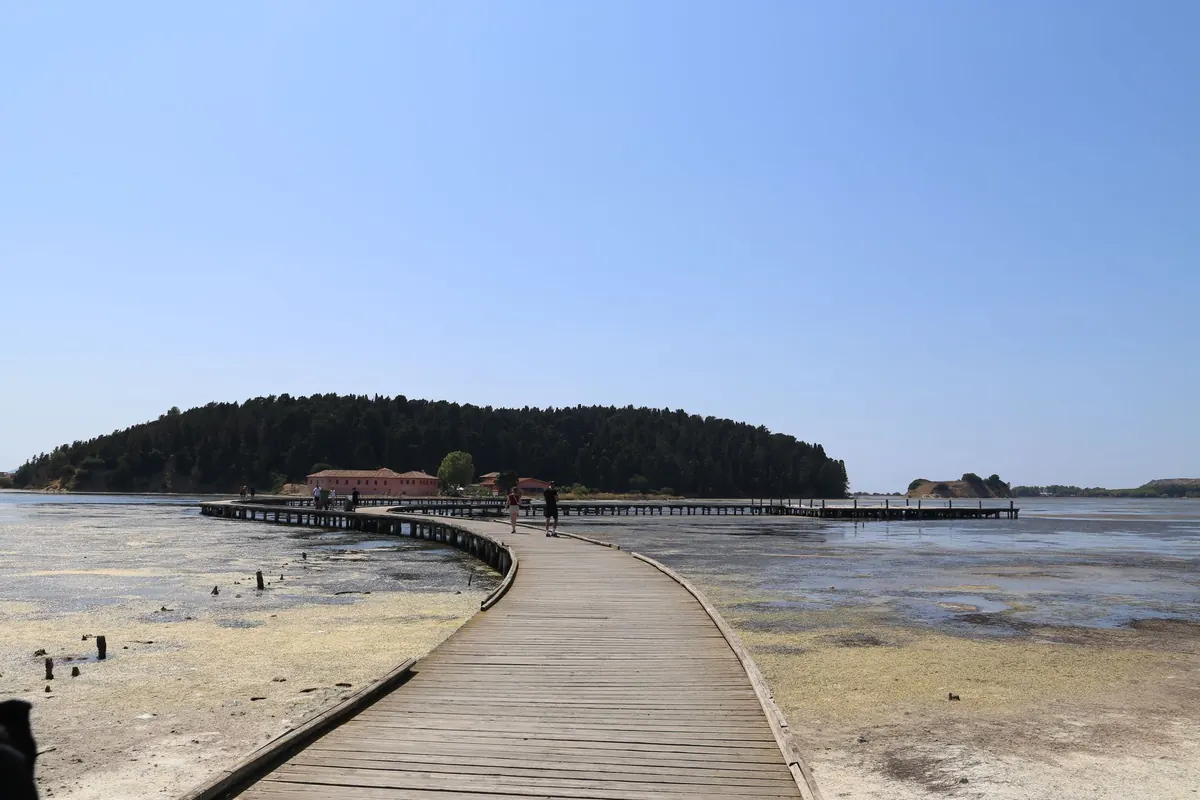
- Stay on durable surfaces. Boardwalks and duckboards exist because the ground beneath cannot withstand foot traffic. Cutting a corner for a better view crushes stems, compacts soil, and can take years to recover.
- Pack out everything. That includes apple cores, orange peel, sunflower shells and fishing line. Food scraps draw predators and change animal behaviour; discarded line strangles birds.
- Leave what you find. No picked flowers, no pocketed shells, no stacked rocks, no flipped logs left turned over. Those are habitat, not souvenirs.
- Keep wildlife wild. Do not feed anything, chase anything, or use recorded calls during nesting season. Feeding ducks and fish looks harmless and is not.
- Manage your waste. High water tables make burying human waste a poor option in most wetlands. Use the facilities or pack it out.
- Clean your gear between sites. Mud on your boots carries seeds, spores and small invertebrates from one wetland to the next. Rinse and dry before you visit somewhere new. This may be the most useful habit on the list.
Watch Wildlife Without Changing Its Behaviour
The simplest rule for distance is this: if an animal lifts its head, stops feeding, or moves away because of you, you are too close. Back off, sit still, and let it settle. Binoculars and a long lens exist so you do not have to close that gap with your feet.
During nesting season, stay on trails and viewpoints near rookeries. A flushed parent leaves eggs and chicks exposed to heat and predators within minutes. Most wetlands prohibit drones for exactly this reason, and the noise disturbs birds well beyond what a pilot expects. On night visits, use a red-filtered light and skip the flash, which disrupts amphibians and roosting birds.
Keep dogs at home, or leashed and on designated routes where they are allowed. Dogs flush birds, disturb nesting, and their waste adds nutrients to water that is already overloaded with them.
Coming Home: Clean, Dry, Report
Unpack properly. Rinse boots, waders, nets and boat hulls, then dry them in the sun before the next trip. Check yourself for ticks and shower, ideally within a couple of hours. If you find an attached tick, or you feel unwell in the days afterwards, contact a healthcare professional: the right response depends on where you were and what species live there.
Then report what you saw, good or bad. Broken boardwalk planks, dumped rubbish and injured wildlife are worth a message to the land manager. Invasive plant sightings are
Photo: Ani Hadushaj / Pexels