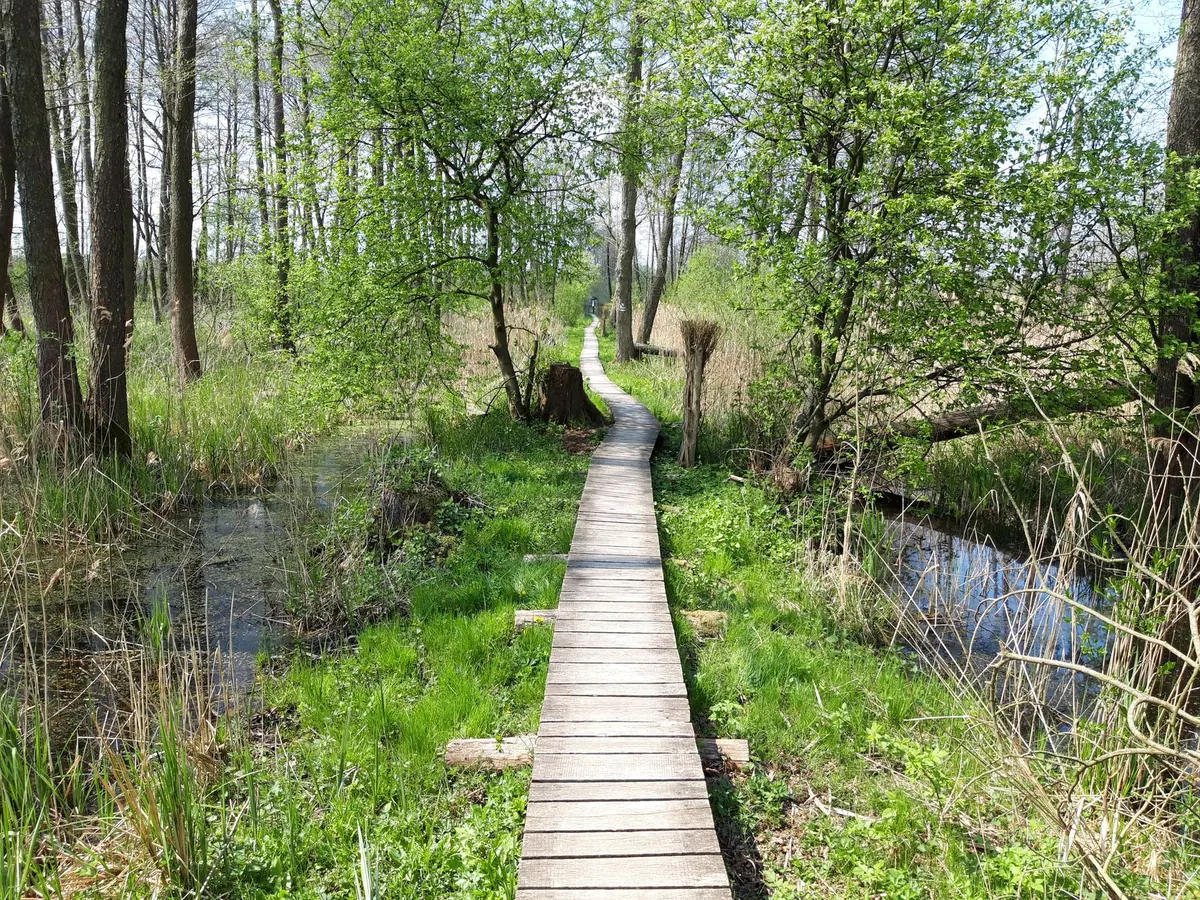
Spring Wetland Walks: What to Look For in March, April, and May
The first sign is usually sound. You step onto the boardwalk in late March, snow still pooled in the shaded sedges, and the air rings with something like sleigh bells played too fast. That is a spring peeper, a frog smaller than your thumb, announcing that the season has turned. Wetlands wake earlier and louder than almost any other habitat. Here is what to expect, month by month, and how to notice it.
March: Ice-Out and the First Voices
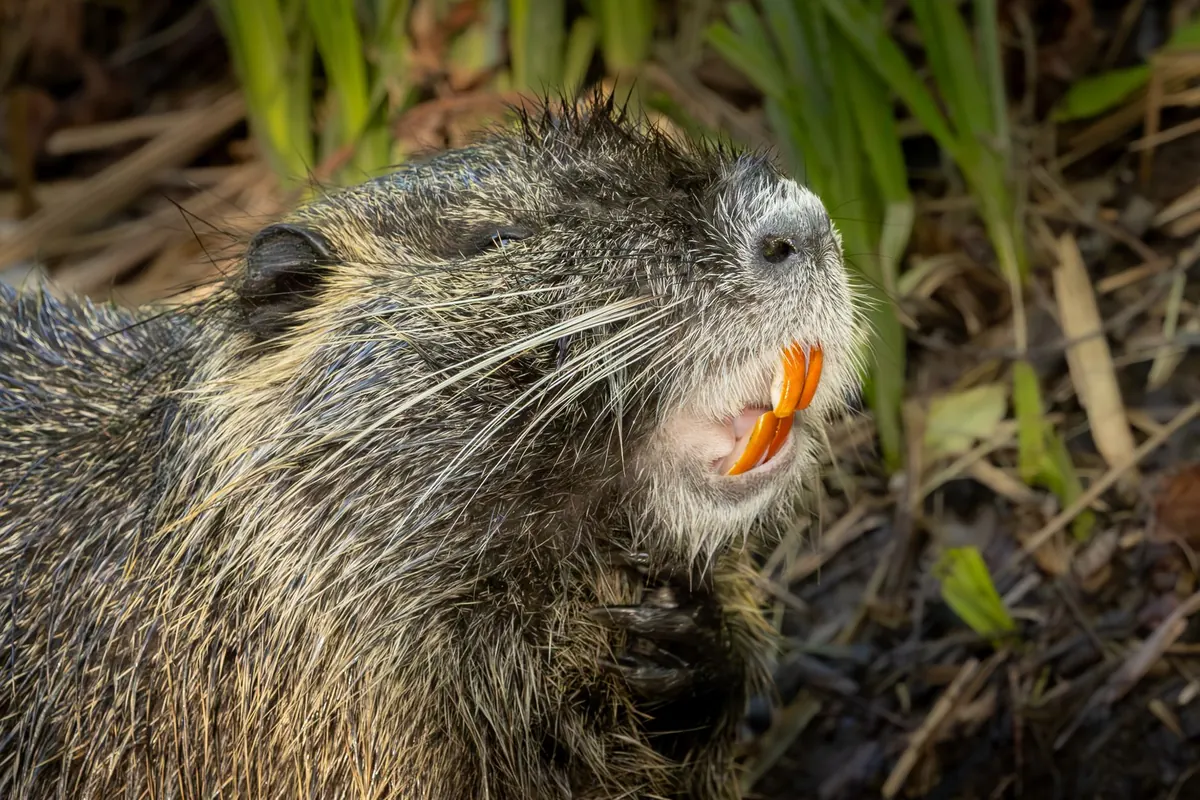
The ice goes gray and porous before it disappears, and open water appears first along the edges, where sun and current work fastest. Those dark ribbons of water are magnets for early life. On warm afternoons, the first insects skate across them. Muskrats push trails through the remaining slush. A wetland in March is half asleep, half electric, and the tension between the two is the whole show.
Red-winged blackbirds return early, males staking out cattail stands and singing from last year's stalks. Listen for the liquid conk-la-ree. Waterfowl move through in loose rafts: wood ducks, ring-necked ducks, hooded mergansers, green-winged teal. On a still morning you hear their wings before you see them, a whistling rush over the treetops. Great blue herons appear at the edges of open water, standing like gray statues until they strike.
On the ground, skunk cabbage does something remarkable. It generates its own heat, enough to push a maroon spathe through frozen soil. The spathe is the hood-like sheath that protects the flower spike inside. Because the plant can warm itself as much as 15 to 35 degrees Fahrenheit above the surrounding air, it can bloom while snow is still on the ground. Look for it in seeps, swamps, and wet woods. The smell attracts early flies and beetles, which pollinate it. Later, enormous green leaves unfurl, giving the plant its name.
March is also the month of hidden migrations. On the first rainy nights above freezing, wood frogs and spotted salamanders move by the hundreds toward vernal pools. You may never see them, but you can find their work the next morning: globular masses of wood frog eggs, and clear, gelatinous salamander egg masses attached to twigs. Walk softly. These pools are the nurseries of the forest.
At dusk, listen for the American woodcock's nasal peent in wet fields and shrubby edges. Then watch for its spiral display flight, a twittering rise and a chirping fall. It is one of spring's strangest and most endearing performances.
April: The Green Explosion
By April, the ice is gone and the water is warming. The spring peeper chorus reaches its peak, joined by chorus frogs, whose call sounds like a thumbnail dragged across a comb. American toads begin their long, trilling songs. Green frogs offer a single banjo string. Listen at dusk, and you will hear layers: peepers up high, toads in the middle, wood frogs like quacking ducks, all of it stitching the wetland back together.
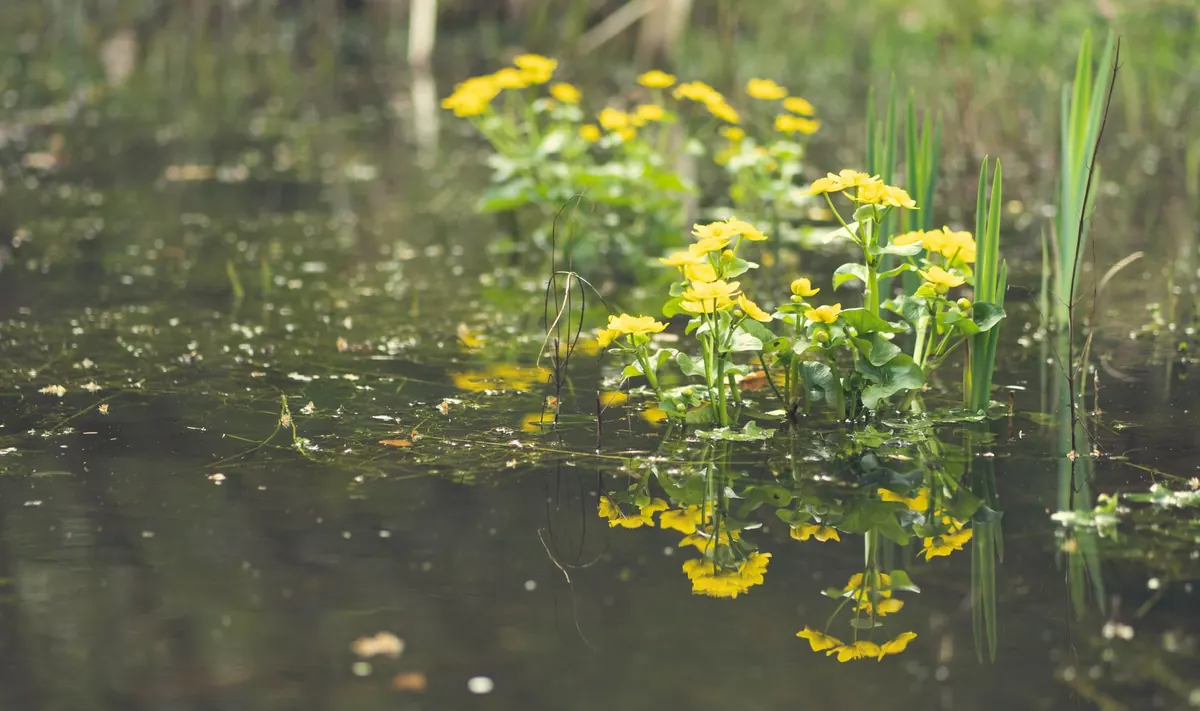
Plants change fast. Cattails shoot new spears. Sedges and rushes green the shallows. Marsh marigolds open in brilliant gold clumps, and skunk cabbage leaves become big and cabbage-like. In wooded swamps, spicebush and red maple flower before the canopy closes. Willows glow yellow-green. Ferns uncurl their fiddleheads. Everywhere you look, the wetland is building architecture out of light and mud.
Birds pour north. Tree swallows and barn swallows hawk insects over the water. Yellow-rumped warblers and palm warblers move through the shrubs. Common yellowthroats sing their witchity-witchity-witchity from the reeds. Soras and Virginia rails call from hidden channels. An American bittern may freeze upright in the cattails, striped like the stems, pretending to be nothing at all. Ospreys return to platforms and dead trees, and bald eagles patrol the larger marshes.
This is the month to look for egg masses, tadpoles, and fairy shrimp in vernal pools. Dragonflies and damselflies begin to emerge, leaving empty nymph skins on cattail stems. Mourning cloak and comma butterflies wake from hibernation. The whole wetland is a nursery, and every shallow edge is worth a second look.
May: Full Chorus and Nesting Season
May is the crescendo. Leaves fill the canopy. The water is warm enough for swimming turtles and basking snakes. Painted turtles line up on logs, and snapping turtles may be seen crossing roads or digging nests. Green frogs and bullfrogs claim territories with deep jug-o-rum and gunk notes. Toad tadpoles swarm in black clouds.
The bird list explodes. Yellow warblers, common yellowthroats, red-winged blackbirds, grackles, marsh wrens, sedge wrens, and swamp sparrows all sing at once. Great egrets and green herons stalk the shallows. Black-crowned night-herons hunch in the shadows. In wet meadows, bobolinks and eastern meadowlarks deliver their songs from fence posts and grass stems. Ospreys plunge for fish, and kingfishers rattle along the channels.
Aquatic life is just as busy. Northern pike and perch spawn in flooded vegetation. Mayflies and caddisflies emerge, drawing swallows and warblers into feeding frenzies. Water lilies, pickerelweed, arrowhead, and blue flag iris begin to rise. By the end of the month, the wetland looks completely different from the gray, skeletal place you walked in March.
How to Read a Wetland Walk
Go early. Go slowly. Wetlands reward patience more than distance. Stop every fifty yards and listen for a full minute. Make a sound map in your notebook: mark where each call comes from, and notice how the chorus changes as the light shifts. Carry binoculars, rubber boots, a field guide, and a small notebook. A phone can record calls you cannot identify later.
Look in layers. Start at the water surface for ripples, insects, and fish. Move up to emergent plants for perching dragonflies and hidden rails. Scan the shrub layer for warblers and nesting red-winged blackbirds. Then check the canopy for herons, ospreys, and swallows. Edges—where water meets mud, and mud meets grass—are almost always the richest places to watch.
Read the mud. Tracks tell stories: raccoon handprints, mink bounds, deer hooves, heron daggers, muskrat drag marks. Chewed cattail stems mean muskrats. Gnawed sticks and peeled bark mean beaver. A pile of feathers or a broken eggshell may mean a predator passed through. These signs are as much a part of the walk as the birds themselves.
“A wetland in spring is not a place you visit; it is a conversation you join—first by listening, then by looking.”
Safety and Ethics
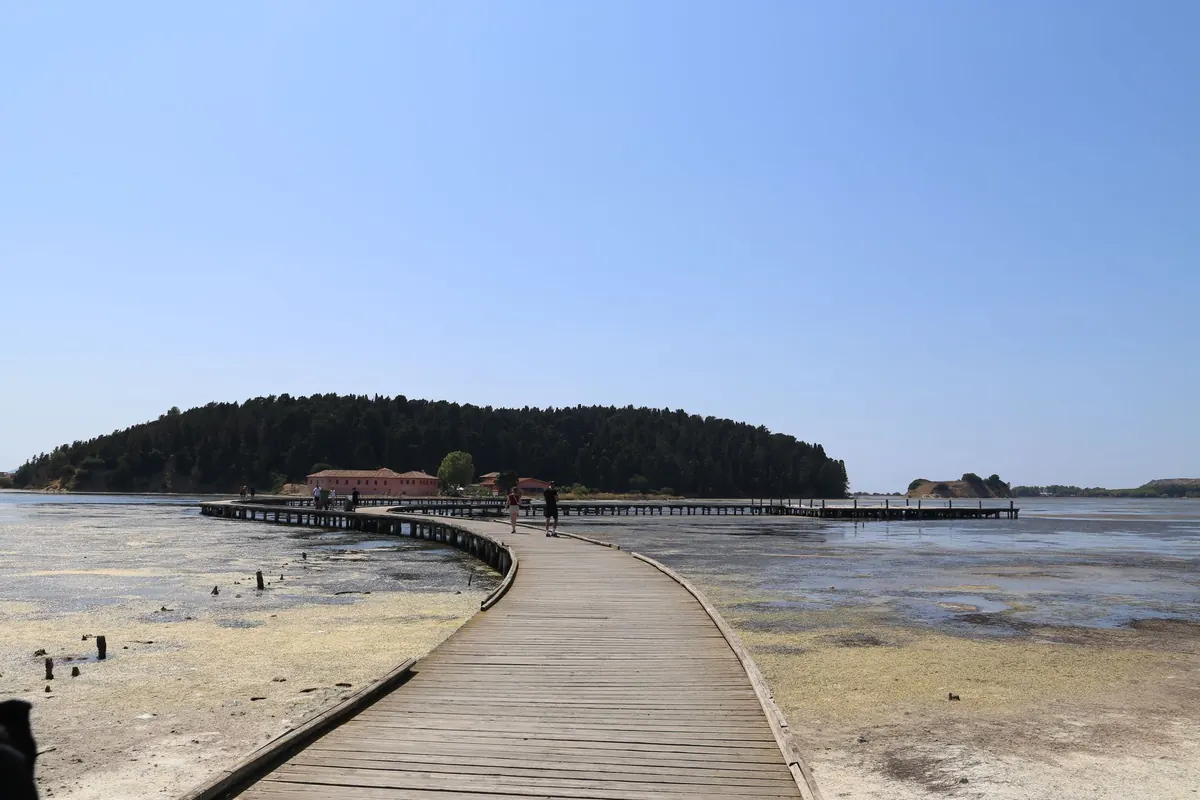
Spring wetlands are beautiful but fragile. Stay on boardwalks and established trails where you can. Wetland soils are saturated and easily damaged, and some areas are deeper than they look. If you must step off trail, test the ground and turn back at the first sign of sinking.
- Do not handle amphibians. The oils and salts on your skin can harm them, and many species are declining.
- Observe egg masses and nests from a distance. Never remove them or “rescue” young animals.
- Keep dogs leashed or leave them at home. They can disturb nesting birds and amphibians.
- Wear long sleeves and pants, use insect repellent, and check for ticks after every walk.
- Clean your boots and gear before moving to another wetland to avoid spreading invasive seeds and pathogens.
- Pack out all trash. Leave flowers, rocks, and antlers where you find them.
Spring arrives in wetlands first, and it arrives as a chorus. March gives you ice-out, blackbirds, and the first brave blooms. April brings green, eggs, and migrants. May delivers the full, noisy, tangled abundance of nesting season. Bring boots, curiosity, and time. The wetland will do the rest.
Photo: Michał Michalczyk / Pexels