A wetland restoration project rarely fails at the planting stage. It fails earlier, in the assumptions made before anyone lifts a shovel. A site that holds water in April and drains by July will not support the same plants as one that stays wet year-round, and no amount of seed changes that. The site assessment is the cheapest part of the project — and the part that decides whether the rest of it works. Work through the twelve items below on foot, in more than one season if you can, and write down what you find.
Water: Where It Comes From, Where It Goes, How Long It Stays
1. Water source and seasonal range. Groundwater-fed wetlands hold up in dry years; surface-fed ones swing widely. Look for clues: rusty mottling in the soil, moss on shaded tree trunks, water stains, drift lines of leaves and litter, and the plants growing at the edges. Then verify with a marked stake or gauge. Read it monthly for a year if you can. Even a few readings — after a storm, in the driest week, after snowmelt — beat a single visit in a wet spring.
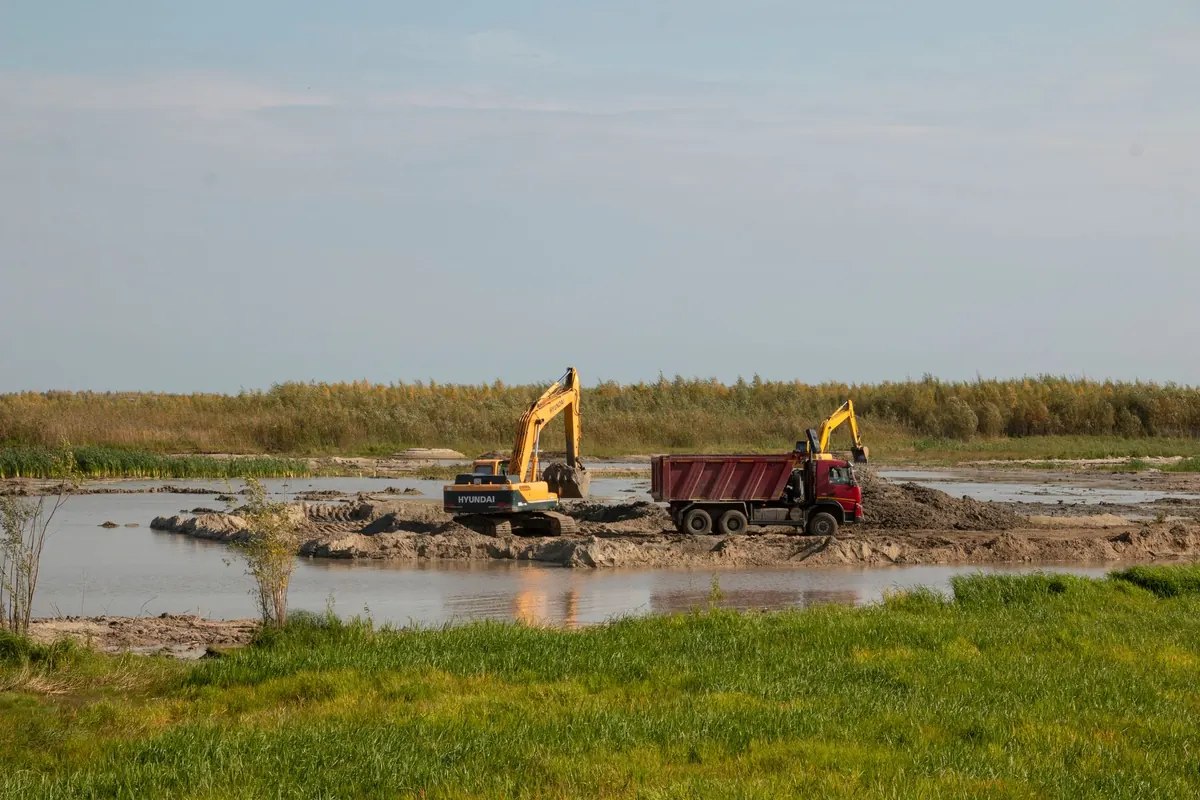
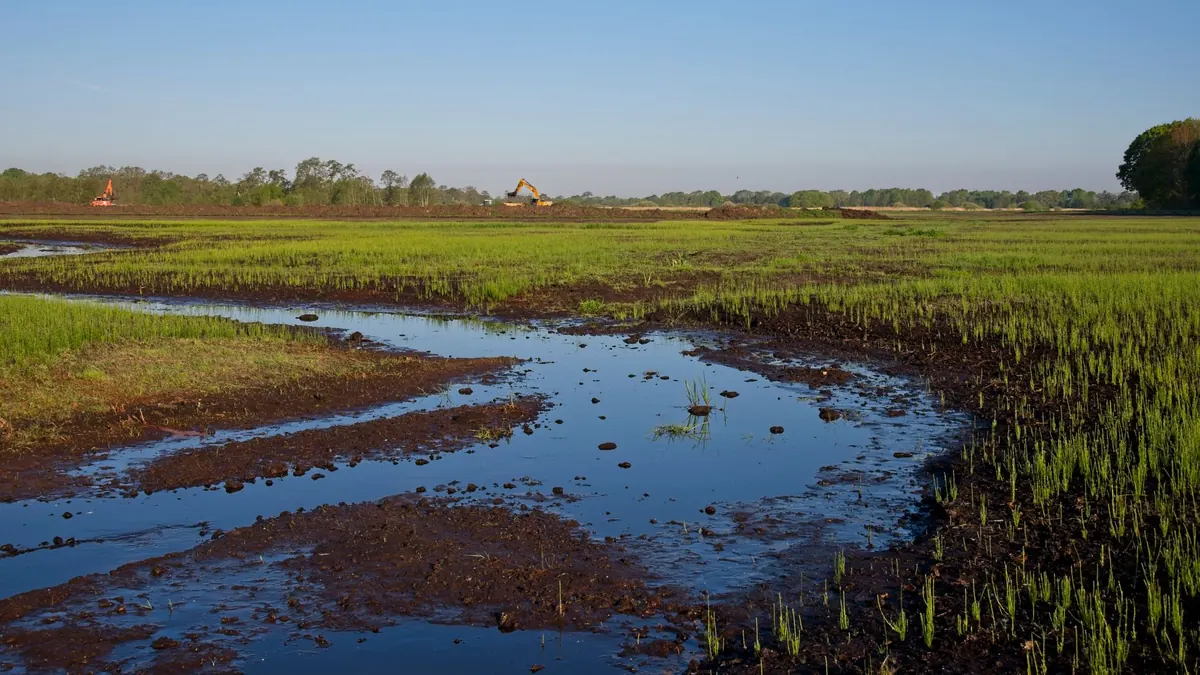
2. Outflow and drainage. Where does water leave? Old ditches, tile outlets, culverts, and graded channels keep draining a site long after the farming stops. Walk the property line and look for straight channels, spoil banks, and pipes. If drainage is the reason the wetland disappeared, re-wetting it is the heart of the project — and also the part most likely to affect neighbors.
3. Water quality and upstream inputs. Trace what enters from above: road runoff, stormwater outfalls, agricultural tile, failing septic systems, erosion from nearby construction. Nutrient-heavy inflows tend to favor cattails and invasive grasses over the diverse sedges and rushes you may be hoping for.
Soil: What's Underneath Decides What's Possible
4. Texture, organic content, compaction. Dig a few test pits 12 to 18 inches deep with an auger or a sharp spade. Note whether you hit sand, silt, clay, peat, or fill. A dense clay pan or a compacted layer from years of grazing or driving will limit root growth and slow water movement. Fill is a warning sign: the original soil profile is gone, and the site may need rebuilding rather than simple re-wetting.
5. Chemistry. Send samples to a soil lab for pH, salinity, and basic nutrients. Salinity matters more than people expect, especially near coasts, salt-treated roads, and irrigation districts. If the site is highly saline or strongly acidic, your plant list narrows fast. Knowing that before you order plugs is worth the lab fee.
Vegetation: Read the Remnant, Then Read the Threat
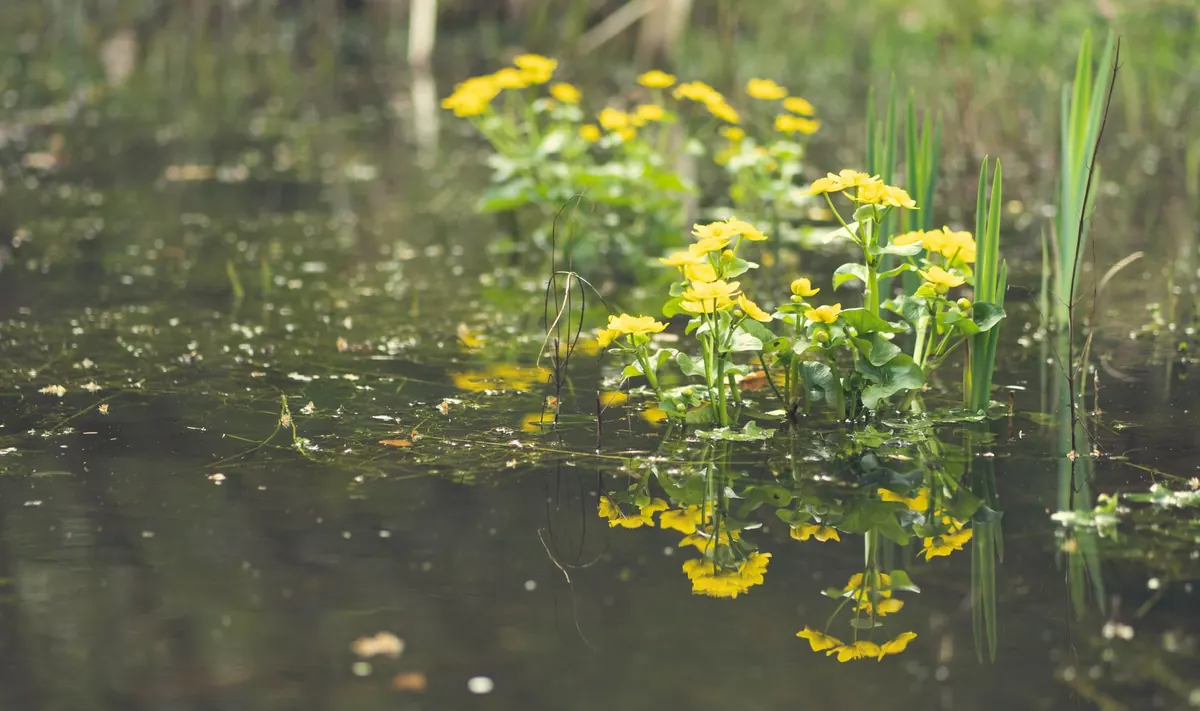
6. Existing natives and the seed bank. Remnant patches of sedge, rush, bulrush, or native grass are the best news a site can offer. They suggest the seed bank is still viable and that much of the recovery can happen on its own once the water regime is corrected. Walk simple transects, list what you recognize, and photograph the rest for later identification.
7. Invasive pressure. Reed canary grass, common reed, purple loosestrife, and dense cattail stands rarely cooperate with a planting plan. Ask how they arrived and whether your planned hydrology will favor them. Often, control has to come first — sometimes for a full season — or you are just growing their next generation at your own expense.
Much of restoration is removing what's in the way and letting the site finish the job.
Permits, Boundaries, and Other People's Interests
8. Regulatory triggers. Almost any project that moves soil in or near a wetland, alters a stream, or changes drainage may require authorization. Depending on where you are, that can involve federal, state, provincial, or local agencies, plus floodplain, stormwater, or species protections. Contact the relevant wetland program or conservation district before you design anything; a pre-application conversation takes an hour and can save a season. For anything with legal or property consequences, get advice from a qualified attorney or agency rather than a forum thread.
9. Ownership, easements, and neighbors. Pull the deed and any recorded easements. Utility corridors, drainage easements, access rights-of-way, and old tile lines running under your parcel all constrain the work. Talk with neighbors who currently benefit from drainage, especially if you plan to raise water levels. A project that floods someone's basement or drowns a field will not survive its second year.
Access and Logistics: Can the Work Actually Happen?
10. Physical access for people and equipment. Measure your gate. The difference between a 10-foot opening and a 14-foot one can decide whether a machine ever reaches the back of the site. Check load limits on culverts and small bridges. Note where soils turn to soup in spring, where a staging area could sit, and how far materials must be carried by hand. If the site is only workable in a six-week window, plan around it rather than hoping.
Budget, Timeline, and the Baseline You'll Regret Skipping
11. Real costs and long-term capacity. Restoration budgets tend to miss the same things. Build in:
- Survey, soil and water testing, and permit fees
- Invasive species control, often across more than one year
- Earthwork, water control structures, and their upkeep
- Plant materials plus the labor to install and water them
- Monitoring and a contingency for the surprises
- Someone to do the work in year five, when enthusiasm has faded
12. Baseline data and a monitoring plan. Before you change anything, record what the site looks like now: permanent photo points, a water level gauge, a few vegetation plots, notes on wildlife. Then decide in advance who checks the site, how often, and what they compare against. Restoration is slow, and the only way to know it's working is to have something to measure against.
Walk It Twice, Then Write It Down
Visit in a wet month and a dry one. Bring a boots-and-notes attitude rather than a plan you're already committed to. Talk to the people who own the land around the site and the agencies that regulate it. Then put the whole assessment in one document covering water, soil, vegetation, permits, access, budget, and the twelve items above.
That document does two things. It tells you whether the project is worth starting, and it tells you — years later, standing in a half-established marsh and wondering what went sideways — exactly what you assumed. Good restoration begins on foot, in the mud, before anything is built.
Photo: Theo Felten / Pexels